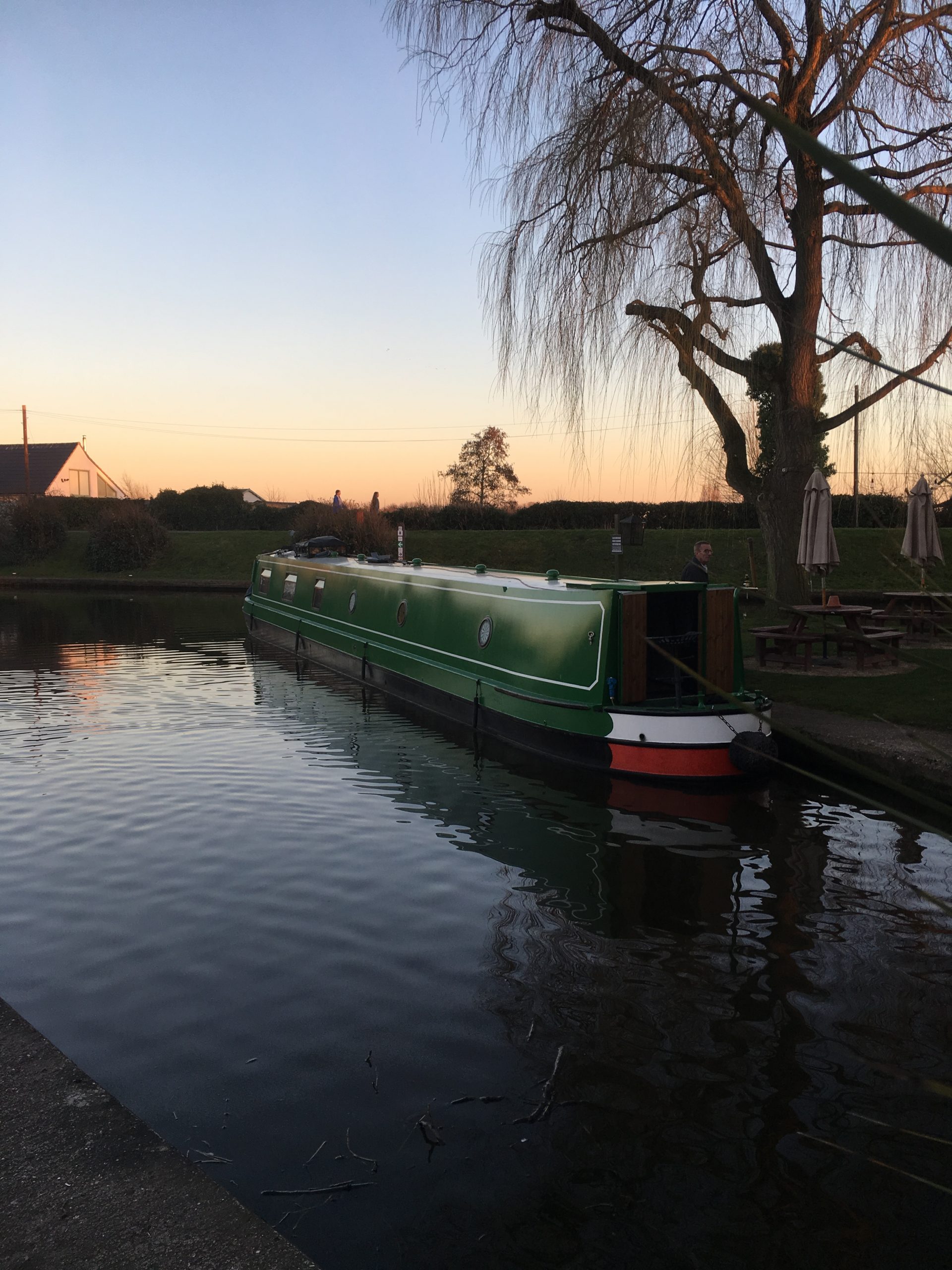
Introduction
Buying a narrowboat in the UK can be an exciting but complex process. Whether you’re planning to cruise the canals on weekends or live aboard full-time, choosing the right boat requires careful thought. From costs and layouts to surveys and running expenses, this guide covers everything you need to know to buy with confidence.
How Much Does a Narrowboat Cost?
The cost of buying a narrowboat can vary widely depending on age, size, and condition.
• Older narrowboats: £20,000 – £40,000
• Mid-range boats: £40,000 – £80,000
• New or high-spec boats: £80,000 – £150,000+
Additional costs to budget for:
• Survey and inspection fees
• Canal licence (UK waterways)
• Mooring fees (if needed)
• Insurance
• Maintenance and repairs
It’s always a good idea to keep a contingency fund for unexpected expenses.
Choosing the Right Narrowboat Size and Layout
Narrowboats typically range from 30ft to 70ft, and the size you choose will affect both usability and access to certain canals.
• Shorter boats (30–45ft): easier to handle and more flexible
• Mid-size boats (45–60ft): a balance of space and manoeuvrability
• Longer boats (60–70ft): maximum living space
Layout is just as important as size:
• Fixed bed vs convertible sleeping areas
• Galley (kitchen) size and layout
• Bathroom type (cassette vs pump-out)
• Storage space for long-term living
Choose a layout that suits how you plan to use the boat, not just what looks appealing.
New vs Used Narrowboats
New Narrowboats
• Built to your specifications
• Modern systems and finishes
• Higher upfront cost
Used Narrowboats
• More affordable
• Available immediately
• May need maintenance or upgrades
A well-maintained used narrowboat can offer excellent value for money, especially for first-time buyers.
What to Look for When Viewing a Narrowboat
Always view a boat in person before making a decision.
• Check for rust, dents, or poor paintwork
• Look for damp or mould inside cupboards and cabins
• Test taps, electrics, and appliances
• Inspect the engine for cleanliness and condition
• Ask about service and maintenance history
Take your time and view multiple boats to get a feel for what’s available.
Why You Need a Boat Survey
A professional survey is one of the most important steps when buying a narrowboat.
• Checks hull thickness and structural condition
• Identifies corrosion, pitting, or damage
• Highlights safety or compliance issues
Types of surveys:
• Full out-of-water survey (recommended)
• In-water survey (less detailed)
A survey can save you thousands of pounds by uncovering hidden problems before you buy.
Narrowboat Running Costs Explained
Owning a narrowboat comes with ongoing expenses that should be factored into your budget.
• Canal & River Trust licence
• Mooring fees (if applicable)
• Fuel (diesel, gas, solid fuel)
• Routine maintenance (including hull blacking)
• Insurance
Understanding these costs will help you avoid financial surprises.
The Narrowboat Buying Process
Once you’ve found the right boat, the buying process typically follows these steps:
• Make an offer
• Pay a deposit (if required)
• Arrange a professional survey
• Renegotiate if issues are found
• Complete payment and transfer ownership
Buying through a reputable broker can make the process smoother and more secure.
Final Tips for First-Time Buyers
• Don’t rush into a purchase
• View several boats before deciding
• Speak to current narrowboat owners
• Be realistic about maintenance responsibilities
Final Thoughts
Buying a narrowboat is a significant investment, but with the right knowledge and preparation, it can be incredibly rewarding. Taking the time to research, inspect, and plan your purchase will help ensure you choose a boat that suits your needs and budget.
A well-chosen narrowboat can provide years of enjoyment, whether you’re exploring the UK canal network or living aboard full-time.